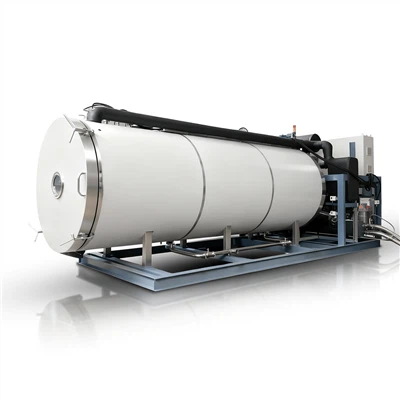
When it comes to equipping a small laboratory, one of the critical decisions is choosing between large - scale and small - scale freeze drying lab equipment. As a supplier of Freeze Drying Lab Equipment, I've witnessed firsthand the diverse needs of small laboratories and the impact of this choice on their operations. In this blog, I'll delve into the pros and cons of each option to help you make an informed decision.
Understanding Freeze Drying
Before we compare large - scale and small - scale equipment, let's briefly understand what freeze drying is. Freeze drying, also known as lyophilization, is a process that removes water from a product by freezing it and then sublimating the ice directly from the solid to the vapor phase under vacuum conditions. This technique is widely used in various fields such as pharmaceuticals, food science, and research laboratories to preserve products while maintaining their structure and biological activity.
Advantages of Small - Scale Freeze Drying Equipment
Cost - Effectiveness
One of the most significant advantages of small - scale freeze drying equipment for small laboratories is its cost - effectiveness. Small laboratories often operate on tight budgets, and large - scale equipment can be prohibitively expensive in terms of both the initial purchase price and long - term maintenance costs. Small - scale freeze dryers, on the other hand, are more affordable upfront and generally require less maintenance. For example, a Bell Jar Vacuum Dryer is a popular choice for small labs due to its relatively low cost and simplicity of operation.
Space Efficiency
Space is often a premium in small laboratories. Small - scale freeze drying equipment takes up less floor space, allowing laboratories to make the most of their limited workspace. This is particularly important for labs that need to accommodate multiple types of equipment or have a small physical footprint. Compact designs of small - scale dryers can be easily integrated into existing laboratory setups without causing major disruptions.
Flexibility
Small - scale equipment offers greater flexibility in terms of sample size and processing requirements. Small laboratories may work on a variety of projects with different sample volumes. A small - scale freeze dryer can handle small batches of samples more efficiently, allowing for quick turnaround times and the ability to process different types of samples in a single run. For instance, a Freeze Dryer For Research can be adjusted to meet the specific needs of different research projects, whether it's drying a few vials of biological samples or a small quantity of chemical compounds.


Disadvantages of Small - Scale Freeze Drying Equipment
Limited Capacity
The most obvious drawback of small - scale freeze drying equipment is its limited capacity. If a small laboratory has a growing demand for freeze - dried products or needs to process large volumes of samples on a regular basis, small - scale equipment may not be sufficient. This can lead to longer processing times and inefficiencies, especially when dealing with high - throughput projects.
Less Automation
Small - scale freeze dryers typically have less automation compared to their large - scale counterparts. This means that more manual intervention is required during the freeze - drying process, such as monitoring and adjusting parameters like temperature and pressure. For laboratories with limited staff or those looking for a more hands - off approach, this can be a significant disadvantage.
Advantages of Large - Scale Freeze Drying Equipment
High Throughput
Large - scale freeze drying equipment is designed to handle large volumes of samples simultaneously. This is ideal for small laboratories that are expanding their operations or have a high demand for freeze - dried products. With a large - scale dryer, laboratories can increase their production capacity and meet the needs of larger projects more efficiently.
Advanced Automation
Large - scale freeze dryers often come with advanced automation features. These features can include programmable control systems, real - time monitoring, and data logging capabilities. Automation reduces the need for manual intervention, improves process consistency, and allows for more precise control of the freeze - drying process. This is particularly beneficial for laboratories that require high - quality and reproducible results.
Greater Energy Efficiency
In some cases, large - scale freeze drying equipment can be more energy - efficient than running multiple small - scale dryers. Modern large - scale dryers are designed with energy - saving technologies that can reduce overall energy consumption per unit of product processed. This can result in long - term cost savings for the laboratory.
Disadvantages of Large - Scale Freeze Drying Equipment
High Initial Investment
The upfront cost of large - scale freeze drying equipment is significantly higher than that of small - scale equipment. This can be a major barrier for small laboratories with limited financial resources. In addition to the purchase price, there may also be costs associated with installation, training, and infrastructure upgrades.
Large Space Requirements
Large - scale freeze dryers require a significant amount of floor space. Small laboratories may not have the physical space to accommodate such equipment, or they may need to make major modifications to their facilities to fit it in. This can be both costly and time - consuming.
Complex Maintenance
Maintaining large - scale freeze drying equipment is more complex and expensive than maintaining small - scale equipment. These dryers have more components and sophisticated systems, which require specialized knowledge and skills for maintenance and repair. Small laboratories may not have the in - house expertise or the budget to handle these maintenance requirements.
Making the Right Choice
When deciding between large - scale and small - scale freeze drying equipment for a small laboratory, several factors need to be considered. First, assess the current and future sample volume requirements. If the laboratory only needs to process small batches of samples occasionally, a small - scale dryer may be sufficient. However, if there is a growing demand for freeze - dried products or the need to handle large volumes, a large - scale dryer may be a better long - term investment.
Second, consider the available budget and space. If budget is a major constraint and space is limited, a small - scale dryer is likely the more practical choice. On the other hand, if the laboratory has the financial resources and the physical space, a large - scale dryer can offer greater efficiency and productivity in the long run.
Finally, think about the level of automation and technical support required. If the laboratory has limited staff or needs a more user - friendly system, a small - scale dryer with basic automation may be suitable. However, if high - quality and reproducible results are crucial, a large - scale dryer with advanced automation features may be necessary.
As a supplier of Freeze Drying Lab Equipment, I'm here to help you make the right choice for your small laboratory. Whether you're interested in a Vacuum Freeze Dryer for its versatility or a large - scale dryer for high - throughput processing, I can provide you with detailed information and guidance. If you have any questions or would like to discuss your specific requirements, please don't hesitate to reach out. We can have a detailed discussion about your needs and find the most suitable solution for your laboratory.
References
- "Lyophilization: Introduction and Basic Principles" by John W. Carpenter and Mark C. Manning.
- "Freeze - Drying of Pharmaceuticals" by Gustavo A. Roos.
- Industry reports on laboratory equipment trends and market analysis.