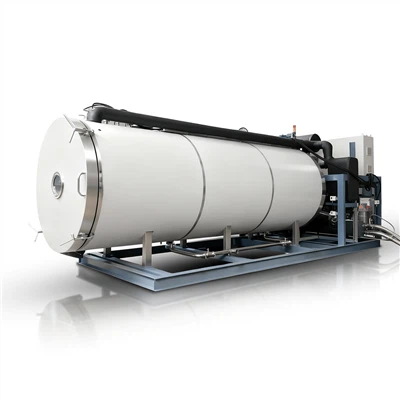
Synchronizing the operation of an Experimental Freeze Dryer Machine with other laboratory equipment is a crucial aspect of modern scientific research and development. As a leading supplier of Experimental Freeze Dryer Machine, I understand the significance of seamless integration and efficient collaboration between different laboratory devices. In this blog post, I will share some valuable insights and practical tips on how to achieve this synchronization effectively.
Understanding the Basics of Experimental Freeze Dryer Machine
Before delving into the synchronization process, it is essential to have a clear understanding of the Experimental Freeze Dryer Machine. This equipment is designed to remove moisture from samples through a process called lyophilization, which involves freezing the sample and then sublimating the ice directly from the solid phase to the gas phase under vacuum conditions. The result is a dry product that retains its original structure and biological activity, making it ideal for long-term storage and analysis.
Our Experimental Freeze Dryer Machine is equipped with advanced features and technologies to ensure precise control over the lyophilization process. It offers a wide range of customizable parameters, such as temperature, pressure, and drying time, allowing researchers to optimize the drying conditions for different types of samples. Additionally, the machine is designed to be user-friendly, with an intuitive interface and easy-to-use controls, making it suitable for both experienced researchers and beginners.
Importance of Synchronization
In a laboratory setting, the Experimental Freeze Dryer Machine is often used in conjunction with other equipment, such as centrifuges, incubators, and analytical instruments. Synchronizing the operation of these devices is essential for several reasons:
- Efficiency: By coordinating the operation of different equipment, researchers can minimize downtime and maximize productivity. For example, if the freeze dryer is synchronized with a centrifuge, the samples can be transferred directly from the centrifuge to the freeze dryer without any delay, reducing the overall processing time.
- Accuracy: Synchronization ensures that the samples are processed under consistent conditions, which is crucial for obtaining accurate and reproducible results. For instance, if the temperature and pressure settings of the freeze dryer are synchronized with the analytical instrument, the dried samples can be analyzed immediately after the lyophilization process, minimizing the risk of sample degradation.
- Safety: Coordinating the operation of different equipment can also enhance safety in the laboratory. For example, if the freeze dryer is synchronized with a ventilation system, the toxic gases generated during the lyophilization process can be safely removed from the laboratory, protecting the researchers from potential health hazards.
Steps to Synchronize the Operation of an Experimental Freeze Dryer Machine with Other Laboratory Equipment
Now that we understand the importance of synchronization, let's discuss the steps involved in achieving it:
Step 1: Identify the Equipment to be Synchronized
The first step is to identify the other laboratory equipment that needs to be synchronized with the Experimental Freeze Dryer Machine. This may include centrifuges, incubators, analytical instruments, and other devices that are used in the sample preparation and analysis process. Make a list of all the equipment and their respective functions to ensure that you have a clear understanding of the synchronization requirements.
Step 2: Evaluate the Compatibility of the Equipment
Once you have identified the equipment to be synchronized, the next step is to evaluate their compatibility. This involves checking the technical specifications of each device, such as the power requirements, communication protocols, and control interfaces, to ensure that they can be integrated seamlessly. If necessary, consult the manufacturers of the equipment or a professional technician to determine the compatibility and identify any potential issues.
Step 3: Establish a Communication Protocol
To synchronize the operation of different equipment, a communication protocol needs to be established. This can be done using various methods, such as Ethernet, USB, or serial communication. The choice of communication protocol depends on the technical specifications of the equipment and the requirements of the synchronization process. Once the communication protocol is established, the equipment can be configured to exchange data and commands, allowing for coordinated operation.
Step 4: Develop a Synchronization Plan
Based on the compatibility evaluation and the communication protocol, develop a synchronization plan. This plan should outline the sequence of operations, the timing of each step, and the specific parameters that need to be coordinated. For example, if the freeze dryer is synchronized with a centrifuge, the plan should specify the time when the samples are transferred from the centrifuge to the freeze dryer, the temperature and pressure settings of the freeze dryer, and the duration of the lyophilization process.
Step 5: Test and Validate the Synchronization
Before implementing the synchronization plan in a real laboratory setting, it is important to test and validate the synchronization process. This involves running a series of test runs using dummy samples to ensure that the equipment is operating correctly and that the synchronization is working as expected. If any issues are identified during the testing process, make the necessary adjustments to the synchronization plan and repeat the testing until the synchronization is successful.
Step 6: Monitor and Maintain the Synchronization
Once the synchronization is implemented, it is important to monitor and maintain the synchronization on a regular basis. This involves checking the performance of the equipment, the accuracy of the data exchange, and the stability of the communication protocol. If any issues are detected, take immediate action to resolve them to ensure the continued operation of the synchronized system.
Examples of Synchronization
To illustrate the practical application of synchronization, let's consider some examples:
Synchronization with a Centrifuge
In a typical laboratory setting, samples are first centrifuged to separate the solid and liquid components. Once the centrifugation is complete, the samples need to be transferred to the freeze dryer for lyophilization. By synchronizing the operation of the centrifuge and the freeze dryer, the samples can be transferred directly from the centrifuge to the freeze dryer without any delay, reducing the overall processing time.
To achieve this synchronization, the centrifuge and the freeze dryer need to be connected using a communication protocol, such as Ethernet or USB. The centrifuge can be programmed to send a signal to the freeze dryer once the centrifugation is complete, indicating that the samples are ready for transfer. The freeze dryer can then be configured to receive the signal and automatically start the lyophilization process.
Synchronization with an Analytical Instrument
After the lyophilization process, the dried samples need to be analyzed using an analytical instrument, such as a spectrophotometer or a chromatograph. By synchronizing the operation of the freeze dryer and the analytical instrument, the dried samples can be analyzed immediately after the lyophilization process, minimizing the risk of sample degradation.
To achieve this synchronization, the freeze dryer and the analytical instrument need to be connected using a communication protocol, such as Ethernet or USB. The freeze dryer can be programmed to send a signal to the analytical instrument once the lyophilization is complete, indicating that the samples are ready for analysis. The analytical instrument can then be configured to receive the signal and automatically start the analysis process.
Conclusion
Synchronizing the operation of an Experimental Freeze Dryer Machine with other laboratory equipment is a complex but essential process that can significantly enhance the efficiency, accuracy, and safety of scientific research and development. By following the steps outlined in this blog post, researchers can achieve seamless integration and efficient collaboration between different laboratory devices, leading to improved productivity and better results.
As a leading supplier of Experimental Freeze Dryer Machine, we are committed to providing our customers with high-quality products and excellent technical support. If you have any questions or need further assistance with synchronizing the operation of our freeze dryer with other laboratory equipment, please do not hesitate to contact us. We will be happy to help you find the best solution for your specific needs.


If you are interested in purchasing an Experimental Freeze Dryer Machine or other laboratory equipment, please feel free to contact us for more information and to discuss your requirements. Our team of experts will be happy to assist you in selecting the right equipment and providing you with a customized solution that meets your needs and budget.
References
- Smith, J. (2019). Lyophilization: Principles and Practice. CRC Press.
- Jones, A. (2020). Laboratory Equipment Handbook. Elsevier.
- Brown, C. (2021). Synchronization of Laboratory Equipment: A Practical Guide. Wiley.