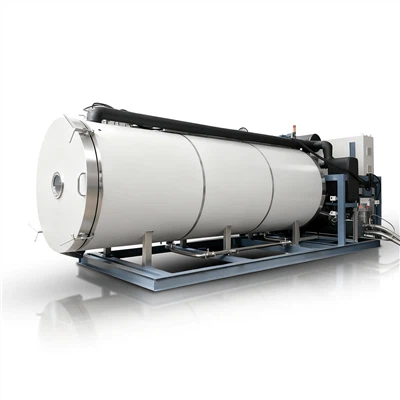
Hey there! As a supplier of Heated Freeze Dryers, I often get asked about the shelf life of materials dried in these nifty machines. So, I thought I'd dive into this topic and share some insights with you.
First off, let's understand what a heated freeze dryer does. A Heated Freeze Dryer is a piece of equipment that removes moisture from materials through a process called lyophilization. It freezes the material and then reduces the pressure, allowing the ice to turn directly into vapor without passing through the liquid phase. The built - in heater helps speed up this process by providing the necessary energy for sublimation. You can check out our Freeze Dryer With Built - in Heater for a great example of this technology.
Now, onto the shelf life. The shelf life of dried materials depends on several factors. One of the most important ones is the type of material being dried. Different substances have different chemical and physical properties that affect how long they can stay stable.


Factors Affecting Shelf Life
1. Material Composition
Organic materials, like food products or biological samples, have a more complex composition compared to inorganic materials. For example, proteins in food can be denatured over time, and fats can oxidize. This means that the shelf life of freeze - dried organic materials might be shorter. On the other hand, inorganic materials such as salts or certain minerals are generally more stable and can have a longer shelf life.
Let's take food as an example. Fruits and vegetables that are freeze - dried using our Heated Freeze Dryer For Lab Use can last anywhere from 1 to 25 years. The exact time depends on how well they are stored. If they are kept in a cool, dry, and dark place, away from oxygen and light, they will last longer. Oxygen can cause oxidation, which leads to changes in flavor, color, and nutritional value. Light can also break down some of the sensitive compounds in the food.
2. Moisture Content
Even after freeze - drying, there might be a small amount of residual moisture in the material. The lower the moisture content, the longer the shelf life. A well - dried material with less than 5% moisture content is more likely to have a longer shelf life compared to one with a higher moisture level. Our heated freeze dryers are designed to achieve a very low moisture content, which helps extend the shelf life of the dried materials.
3. Storage Conditions
As I mentioned earlier, storage conditions play a huge role. Temperature, humidity, and exposure to light and oxygen are all critical. For most materials, a storage temperature below 20°C (68°F) is ideal. High humidity can cause the dried material to re - absorb moisture, which can lead to spoilage. That's why it's important to store the dried products in airtight containers.
Shelf Life Estimates for Different Materials
Food Products
- Grains and cereals: When properly freeze - dried and stored, they can last up to 30 years. These are relatively stable food items, and the low moisture content achieved through freeze - drying helps preserve them for a long time.
- Meats: Freeze - dried meats can last around 10 - 15 years. However, they are more prone to oxidation, so proper packaging and storage are crucial.
- Dairy products: They usually have a shelf life of 10 - 20 years. Dairy can be sensitive to changes in temperature and humidity, so keeping them in a controlled environment is important.
Pharmaceutical and Biological Samples
- Vaccines: Some freeze - dried vaccines can have a shelf life of several years. This is a critical area, as the effectiveness of vaccines depends on their stability. Our heated freeze dryers are used in pharmaceutical labs to ensure that these vaccines are dried properly and can be stored for an extended period.
- Cell cultures: They can have a shelf life of a few months to a year, depending on the type of cells and how they are stored.
Chemicals and Minerals
- Inorganic chemicals: Many inorganic chemicals can last indefinitely if stored correctly. They are not as prone to biological degradation or oxidation as organic materials.
How Our Heated Freeze Dryers Help
Our heated freeze dryers are designed to optimize the drying process to maximize the shelf life of the materials. The built - in heater provides a controlled amount of heat, which speeds up the sublimation process without overheating the material. This ensures that the material retains its original properties as much as possible.
The advanced vacuum system in our dryers helps remove moisture efficiently, reducing the residual moisture content to a minimum. And we offer different models, like the Heated Freeze Dryer For Lab Use, which is perfect for small - scale operations and research labs.
Conclusion
In summary, the shelf life of materials dried in a heated freeze dryer varies widely depending on the material type, moisture content, and storage conditions. Our heated freeze dryers are here to help you achieve the best possible results in terms of drying and extending the shelf life of your materials.
If you're interested in learning more about our heated freeze dryers or want to discuss your specific needs, don't hesitate to reach out. Whether you're in the food industry, pharmaceuticals, or any other field that requires high - quality freeze - drying, we can provide the right solution for you. Let's start a conversation and see how we can help you with your drying needs and ensure the long - term stability of your materials.
References
- "Lyophilization: Introduction and Basic Principles" by John W. Carpenter and Maria C. Manning.
- "Food Preservation: Principles and Practices" by M. S. Rahman.
- "Pharmaceutical Freeze - Drying: An Overview" by Peter J. L. van Campen.