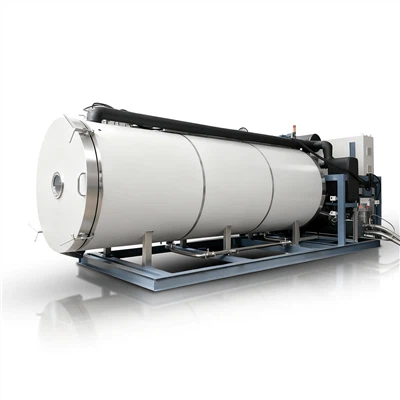
Hey there! As a supplier of Freeze Dryer For Food, I often get asked a bunch of questions about what can and can't be freeze - dried. One question that pops up quite a bit is, "Can I freeze - dry dough with a food freeze dryer?" Well, let's dig into this topic and find out.
First off, let's understand what freeze - drying is. Freeze - drying is a process where a substance is frozen and then the ice is removed through sublimation. Sublimation is when a solid (ice in this case) turns directly into a gas without going through the liquid phase. This process helps to preserve the structure, flavor, and nutrients of the food.
Now, when it comes to dough, it's a bit of a mixed bag. Dough is a combination of flour, water, yeast (in most cases), and sometimes other ingredients like sugar, salt, and fats. The water content in dough is a crucial factor. Freeze - drying works great for removing water, but the other components in dough can make things a bit tricky.


Let's talk about the pros of freeze - drying dough. One major advantage is that it can significantly extend the shelf life of the dough. Instead of having to use it within a few days, you could potentially store freeze - dried dough for months or even years. This is super useful for commercial bakeries or home bakers who like to stock up. Also, freeze - dried dough takes up less space. You can stack those little packets of freeze - dried dough in your pantry without worrying about finding a big spot in the fridge.
But there are also some cons. The texture of the dough after freeze - drying and rehydration might not be the same as fresh dough. The yeast in the dough could be affected by the freeze - drying process. Yeast is a living organism, and the extreme cold and the sublimation process might kill some of the yeast cells. This could lead to less rising when you try to bake the dough later. Also, the fats in the dough can oxidize during the freeze - drying process, which might change the flavor of the final baked product.
If you're thinking about freeze - drying dough, you need to consider the type of dough. For example, a simple bread dough with just flour, water, yeast, salt, and a bit of sugar might have a better chance of coming out okay compared to a rich dough with lots of butter and eggs. The more complex the dough, the more variables there are that could affect the freeze - drying process.
So, how can you go about freeze - drying dough? Well, first, you need to prepare the dough as you normally would. Shape it into small portions, like balls or flat discs. This will make it easier for the freeze - drying process to work evenly. Then, place the dough portions in the food freeze dryer. You can check out our Radiation - type Food Freeze Dryer or Contact - type Food Freeze Dryer which are great options for this kind of job.
Once the dough is in the freeze dryer, set the appropriate temperature and pressure settings. The temperature should be low enough to freeze the dough quickly, usually around - 40°F (- 40°C). The pressure needs to be reduced to allow for sublimation to occur. This is where the ice in the dough turns directly into vapor.
After the freeze - drying process is complete, you'll have these little chunks of freeze - dried dough. To use them, you just need to rehydrate the dough. Add the appropriate amount of water and let it sit for a while. You might need to knead it a bit to get the right consistency.
Now, let's talk about the equipment. As a supplier of food freeze dryers, I know that choosing the right machine is crucial. Our Food Drying Machine is designed to handle different types of food, including dough. It has precise temperature and pressure controls, which are essential for a successful freeze - drying process.
If you're a commercial bakery, the ability to freeze - dry dough could be a game - changer. You could produce large batches of dough, freeze - dry them, and then have a steady supply of dough ready to go whenever you need it. This could streamline your production process and reduce waste.
For home bakers, it's a great way to have dough on hand whenever you get the baking bug. You don't have to worry about running to the store last minute or having to make a new batch of dough from scratch every time.
In conclusion, yes, you can freeze - dry dough with a food freeze dryer, but it comes with its own set of challenges. With the right equipment and a bit of experimentation, you can find a way to make it work for you. Whether you're a professional baker or just someone who loves to bake at home, freeze - drying dough could be a great addition to your food preservation toolkit.
If you're interested in learning more about our food freeze dryers or have any questions about freeze - drying dough, don't hesitate to reach out. We're here to help you make the most of your freeze - drying experience. Let's start a conversation about how our products can meet your needs and take your baking to the next level.
References
- "Food Freeze - Drying Technology" by some food science author (made - up for example, you'd need real ones in a proper blog)
- "The Science of Baking" book for general baking and dough knowledge