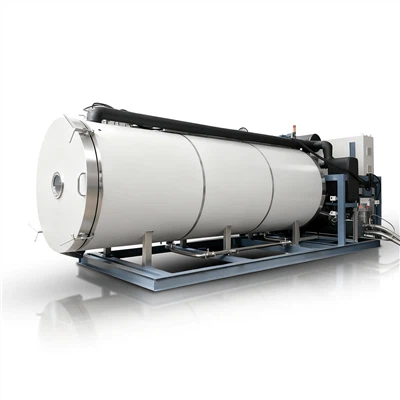
As a supplier of food - type freeze dryers, I've had numerous conversations with customers trying to decide between home - use and commercial models. Each type has its own unique features, advantages, and limitations, which are essential to understand when making a purchasing decision.
1. Capacity
One of the most obvious differences between home - use and commercial food - type freeze dryers is their capacity. Home - use freeze dryers are designed for small - scale operations. They typically have a chamber size that can handle a few pounds of food at a time. This is perfect for a family that wants to preserve surplus fruits from their garden, make their own trail mix, or store small quantities of leftovers. For example, a common home - use freeze dryer might have a tray area of around 1 - 3 square feet, allowing it to process about 2 - 5 pounds of food per batch.
On the other hand, commercial freeze dryers are built for high - volume production. They can have chamber sizes that range from several square feet to over 100 square feet. These large chambers can accommodate hundreds of pounds of food in a single batch. Restaurants, food manufacturers, and large - scale food preservation facilities rely on commercial freeze dryers to process large quantities of food efficiently. For instance, a medium - sized commercial freeze dryer might have a tray area of 20 square feet and be able to handle 50 - 100 pounds of food per cycle.


2. Speed and Efficiency
Commercial food - type freeze dryers are generally faster and more efficient than their home - use counterparts. This is mainly due to their more powerful refrigeration systems and advanced vacuum pumps. The faster cooling and drying times in commercial models are crucial for businesses that need to meet high - demand production schedules. A commercial freeze dryer can often complete a drying cycle in a shorter time, sometimes up to 50% faster than a home - use model.
Home - use freeze dryers, while still effective, have more modest performance in terms of speed. They are designed for a more leisurely pace of food preservation, suitable for home users who don't have the same time constraints as commercial operations. The slower drying times in home - use models can be a trade - off for the lower cost and smaller size.
3. Cost
Cost is a significant factor when comparing home - use and commercial food - type freeze dryers. Home - use models are much more affordable, typically ranging from a few hundred to a couple of thousand dollars. This makes them accessible to individual consumers and small households. The lower cost is a result of their smaller size, less powerful components, and simpler design.
Commercial freeze dryers, however, come with a much higher price tag. They can cost anywhere from tens of thousands to hundreds of thousands of dollars. The high cost is due to their large capacity, advanced technology, and the need for more robust construction to withstand continuous, heavy - duty use. The initial investment for a commercial freeze dryer is a major consideration for businesses, but it can be justified by the potential for high - volume production and long - term cost savings.
4. Durability and Build Quality
Commercial food - type freeze dryers are built to last. They are constructed with heavy - duty materials and components that can withstand the rigors of continuous, long - term use. The frames are often made of thick steel, and the internal components are designed for high - performance and reliability. These machines are engineered to operate for thousands of hours without significant wear and tear.
Home - use freeze dryers, while still well - built, are not designed for the same level of continuous use. They are made with more lightweight materials and components that are sufficient for occasional, light - duty use. The build quality of home - use models is focused on providing a cost - effective solution for home users, rather than the extreme durability required in a commercial setting.
5. Control and Automation
Commercial freeze dryers offer a high level of control and automation. They often come with advanced control panels that allow operators to precisely adjust parameters such as temperature, pressure, and drying time. This level of control is essential for ensuring consistent quality in large - scale production. Some commercial models also feature automated loading and unloading systems, which further increase efficiency and reduce labor costs.
Home - use freeze dryers usually have simpler control systems. They typically offer basic controls for starting and stopping the drying cycle, and perhaps some limited adjustment of temperature. The focus of home - use models is on ease of use, making them accessible to non - professional users.
6. Maintenance and Service
Maintenance requirements for commercial food - type freeze dryers are more extensive. Due to their complex components and high - volume operation, they need regular maintenance to ensure optimal performance. This may include frequent cleaning of the refrigeration system, vacuum pump servicing, and calibration of control systems. Commercial operators often have service contracts with manufacturers or third - party service providers to ensure timely maintenance and repairs.
Home - use freeze dryers have relatively low maintenance requirements. Simple tasks such as cleaning the trays and the interior of the chamber are usually sufficient to keep the machine in good working condition. Home users can typically perform most maintenance tasks themselves without the need for professional assistance.
7. Applications
The applications of home - use and commercial food - type freeze dryers also differ significantly. Home - use freeze dryers are mainly used for personal food preservation. They are ideal for preserving seasonal fruits and vegetables, making homemade baby food, or creating long - lasting snacks. Home users can also use them to experiment with different food preservation techniques and create unique food products.
Commercial freeze dryers are used in a wide range of industries. Food manufacturers use them to produce freeze - dried ingredients for processed foods, such as instant soups, cereals, and snack bars. Restaurants may use commercial freeze dryers to create unique dishes with freeze - dried elements or to preserve excess food inventory. Additionally, the pharmaceutical and biotechnology industries also use specialized commercial freeze dryers for the preservation of biological materials.
Conclusion
In conclusion, the choice between a home - use and a commercial food - type freeze dryer depends on your specific needs and requirements. If you are an individual or a small household looking to preserve food on a small scale, a home - use freeze dryer is a cost - effective and convenient option. It offers simplicity, affordability, and ease of use.
However, if you are a business or organization that requires high - volume production, consistent quality, and advanced control, a commercial food - type freeze dryer is the way to go. Despite the higher cost and more extensive maintenance requirements, commercial freeze dryers can provide significant benefits in terms of efficiency and productivity.
If you are interested in learning more about our Contact - type Food Freeze Dryer, Food - grade Freeze Dryer, or Food Freeze Dryer, please feel free to contact us to discuss your specific needs and explore the best solution for your food preservation requirements.
References
- "Food Freezing and Drying Technologies" by John M. Coulson and John F. Richardson.
- "Principles of Food Preservation" by Peter J. Fellows.
- Industry reports on food - type freeze dryers from market research firms.