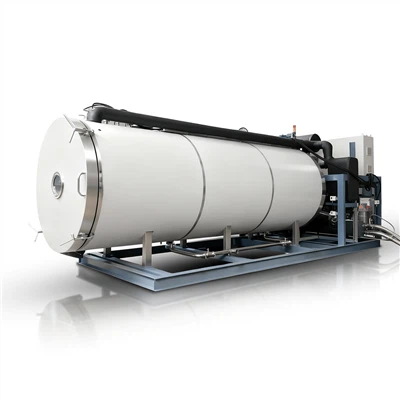
As a supplier of Freeze Dryer For Food, I've had the privilege of witnessing firsthand the growing demand for these machines in both commercial and home settings. Freeze drying is a remarkable preservation method that removes moisture from food while retaining its nutritional value, flavor, and texture. However, there are significant differences between commercial and home - use freeze dryers for food, which I'll explore in this blog.
1. Capacity
One of the most obvious differences between commercial and home - use freeze dryers is their capacity. Commercial freeze dryers are designed to handle large volumes of food. They can process hundreds of pounds of food in a single batch, making them ideal for food manufacturers, restaurants, and large - scale food preservation operations. For example, a commercial freeze dryer might have a chamber large enough to accommodate multiple trays filled with fruits, vegetables, or meats.
On the other hand, home - use freeze dryers are much smaller in capacity. They are typically designed to handle small to medium - sized batches of food, usually ranging from a few pounds to perhaps 10 - 15 pounds at most. This is sufficient for a family to preserve the surplus produce from their garden or to make snacks and ingredients for home cooking. The smaller capacity also makes home - use freeze dryers more suitable for the limited space available in a home kitchen.
2. Speed and Efficiency
Commercial freeze dryers are engineered for speed and efficiency. They are equipped with powerful vacuum pumps and refrigeration systems that can rapidly lower the temperature and create a high - vacuum environment. This allows them to complete the freeze - drying process much faster than home - use models. For instance, a commercial freeze dryer might be able to freeze - dry a large batch of strawberries in 24 - 36 hours, while a home - use model could take 48 - 72 hours or even longer for a similar quantity.
The efficiency of commercial freeze dryers also extends to their energy consumption. Although they are larger and more powerful, they are designed to optimize energy use over large - scale operations. In contrast, home - use freeze dryers, while generally more energy - efficient per pound of food processed due to their smaller size, may take longer to complete the process, which can result in higher overall energy consumption for a given quantity of food.
3. Cost
The cost difference between commercial and home - use freeze dryers is substantial. Commercial freeze dryers are a significant investment. They can cost anywhere from tens of thousands to hundreds of thousands of dollars, depending on their size, features, and capabilities. This high cost is justified by their large capacity, high - speed operation, and the need for robust construction to withstand continuous, heavy - duty use.
Home - use freeze dryers, on the other hand, are much more affordable. They typically range in price from a few hundred to a few thousand dollars. This makes them accessible to individual consumers who want to explore the benefits of freeze - drying at home without breaking the bank. However, it's important to note that the cost of a home - use freeze dryer can still be a significant consideration for many households, especially when compared to other home food preservation methods.
4. Features and Customization
Commercial freeze dryers come with a wide range of advanced features and options for customization. They often have programmable controls that allow operators to adjust the temperature, vacuum level, and drying time precisely according to the specific requirements of different types of food. Some commercial models also offer features such as automatic defrosting, real - time monitoring of the drying process, and the ability to integrate with other food processing equipment.
Home - use freeze dryers usually have more basic features. They typically have simple on/off switches and may offer a limited number of pre - set drying programs. While these are sufficient for most home users, they lack the flexibility and sophistication of commercial models. However, some higher - end home - use freeze dryers are starting to incorporate more advanced features, such as adjustable drying times and temperature settings, to meet the growing demand for more control over the freeze - drying process.
5. Durability and Maintenance
Commercial freeze dryers are built to last. They are constructed with heavy - duty materials and components that can withstand the rigors of continuous, high - volume use. Their parts are designed for easy replacement and maintenance, and many manufacturers offer comprehensive service contracts and technical support for commercial customers. This ensures that any downtime due to maintenance or repairs is minimized, which is crucial for businesses that rely on these machines for their operations.


Home - use freeze dryers, while generally well - built, are not designed for the same level of continuous use. They may have a shorter lifespan if used frequently, and maintenance can be more challenging for the average homeowner. However, many home - use freeze dryer manufacturers provide user - friendly maintenance guides and customer support to help users keep their machines in good working condition.
6. Quality and Consistency
When it comes to the quality and consistency of the freeze - dried food, commercial freeze dryers have an edge. Their precise control over the freeze - drying process allows them to produce food with a more uniform texture, color, and flavor. They can also better preserve the nutritional content of the food, which is important for food manufacturers who need to meet strict quality standards and regulatory requirements.
Home - use freeze dryers, while capable of producing high - quality freeze - dried food, may have more variability in the final product. This is due to their less precise control over the process and the smaller scale of operation. However, with some practice and attention to detail, home users can still achieve excellent results.
7. Regulatory Requirements
Commercial freeze dryers are subject to strict regulatory requirements. Food manufacturers must comply with food safety and quality standards set by government agencies such as the Food and Drug Administration (FDA) in the United States. This includes requirements for sanitation, labeling, and the use of food - grade materials in the construction of the freeze dryer.
Home - use freeze dryers, on the other hand, are not subject to the same level of regulation. However, it's still important for home users to ensure that they use their freeze dryers in a clean and safe manner to prevent contamination of the food.
If you're interested in purchasing a freeze dryer for your specific needs, whether it's a Food - grade Freeze Dryer for a commercial operation or a Food Freeze Dryer for home use, we are here to help. Our Freeze Dryer for Food products are designed to meet the highest standards of quality and performance. We offer a range of models to suit different budgets and requirements. Contact us to discuss your needs and start the procurement negotiation process. We look forward to partnering with you to find the perfect freeze dryer solution.
References
- "Principles of Freeze - Drying" by J. King and M. Fennema.
- "Food Preservation Techniques" published by the Institute of Food Technologists.
- Industry reports on the freeze - dryer market from market research firms.