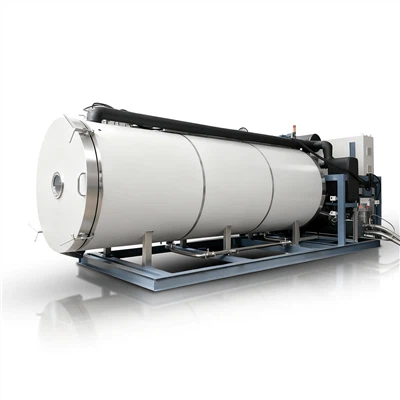
Is it possible to freeze - dry food with a high fat content using a food freeze dryer?
As a supplier of [Freeze Dryer For Food], I often receive inquiries from customers about the capabilities of our food freeze dryers, especially when it comes to processing high - fat content foods. In this blog, I'll explore the feasibility of freeze - drying high - fat foods and share some insights based on our experience in the industry.
Understanding the Freeze - Drying Process
Before delving into high - fat foods, let's briefly understand how a [Food Freeze Dryer] works. Freeze - drying, also known as lyophilization, is a process that involves freezing the food and then reducing the surrounding pressure to allow the frozen water in the food to sublimate directly from a solid to a vapor. This process preserves the food's structure, flavor, and nutritional value better than traditional drying methods.
The first step in freeze - drying is to freeze the food at extremely low temperatures. This forms ice crystals within the food. Next, the frozen food is placed in a vacuum chamber, where the pressure is reduced. The low pressure causes the ice to sublimate, leaving behind a dry product.
Challenges with High - Fat Content Foods
High - fat foods present several challenges when it comes to freeze - drying. One of the primary issues is the melting point of fat. Unlike water, which has a well - defined freezing and sublimation point, fat has a more complex phase behavior. At the low temperatures used in freeze - drying, fat may not freeze as solidly as water, and it can remain in a semi - solid or liquid state.
This can lead to problems during the sublimation process. If the fat is not fully solid, it can migrate within the food matrix, causing the product to lose its shape and structure. Additionally, the presence of liquid fat can interfere with the sublimation of water, as it can block the pores through which water vapor escapes.
Another challenge is the oxidation of fat. Fat is prone to oxidation, especially when exposed to oxygen and heat. During the freeze - drying process, the food is exposed to a vacuum, which reduces the oxygen levels. However, any residual oxygen in the chamber or in the food itself can still cause oxidation over time. Oxidized fat can lead to off - flavors and a decrease in the nutritional value of the food.
Feasibility of Freeze - Drying High - Fat Foods
Despite these challenges, it is possible to freeze - dry high - fat foods using a [Food - grade Freeze Dryer]. However, it requires careful consideration of several factors.
Pretreatment
Proper pretreatment of the high - fat food is crucial. One approach is to emulsify the fat in the food. Emulsification can help to disperse the fat evenly throughout the food matrix, reducing the likelihood of fat migration. This can be achieved by adding emulsifiers or by using high - shear mixing techniques before freezing.
Another pretreatment method is to reduce the fat content of the food. This can be done through processes such as skimming or extraction. By reducing the fat content, the challenges associated with freeze - drying high - fat foods can be minimized.
Freezing Conditions
The freezing conditions play a significant role in the success of freeze - drying high - fat foods. Rapid freezing can help to form smaller ice crystals, which can reduce the damage to the food structure and minimize fat migration. Using a blast freezer or a cryogenic freezer can achieve rapid freezing.
The temperature at which the food is frozen is also important. It is essential to ensure that the fat in the food is as solid as possible before starting the sublimation process. This may require adjusting the freezing temperature based on the type of fat present in the food.
Vacuum and Drying Parameters
The vacuum level and the drying time are critical parameters in the freeze - drying process. A lower vacuum level can help to reduce the sublimation temperature, which can be beneficial for high - fat foods. However, it also means that the drying process will take longer.
The drying time should be carefully optimized to ensure that all the water is removed from the food without over - drying or causing excessive oxidation of the fat. Monitoring the moisture content of the food during the drying process can help to determine the optimal drying time.
Success Stories and Applications
Despite the challenges, there are successful applications of freeze - drying high - fat foods. For example, freeze - dried cheese is a popular product in the market. Cheese has a relatively high fat content, but through proper pretreatment and process optimization, it can be successfully freeze - dried. The freeze - dried cheese retains its flavor and can be easily rehydrated for use in various food applications.
Another example is freeze - dried nuts. Nuts are high in fat, but they can be freeze - dried to extend their shelf life and preserve their nutritional value. Freeze - dried nuts can be used in snacks, baking, and other food products.
Our Role as a [Freeze Dryer for Food] Supplier
As a supplier of food freeze dryers, we understand the challenges and opportunities associated with freeze - drying high - fat foods. Our [Food - grade Freeze Dryers] are designed to provide precise control over the freezing, vacuum, and drying parameters, allowing for the successful processing of a wide range of foods, including those with high - fat content.


We offer technical support and consultation services to our customers. Our team of experts can help customers optimize their freeze - drying processes for high - fat foods, from pretreatment methods to process parameter adjustment. We also provide training on the operation and maintenance of our freeze dryers to ensure that customers can achieve the best results.
Contact Us for Procurement and Consultation
If you are interested in freeze - drying high - fat foods or have any questions about our [Freeze Dryer for Food], we encourage you to contact us. Our sales team is ready to assist you with your procurement needs and provide you with detailed information about our products and services. Whether you are a small - scale food producer or a large - scale manufacturer, we can offer customized solutions to meet your specific requirements.
References
- King, C. J. (1978). Freeze Drying. In Handbook of Separation Process Technology (pp. 1023 - 1055). Wiley.
- Fennema, O. R. (1996). Food Chemistry (3rd ed.). Marcel Dekker.
- Rey, L., & May, J. C. (Eds.). (1999). Freeze - Drying/Lyophilization of Pharmaceutical and Biological Products. Marcel Dekker.