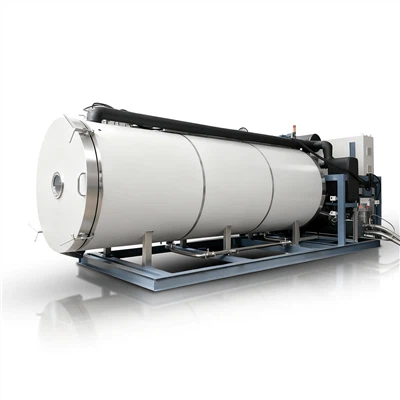
Hey there! As a supplier of Stoppering Bell - Type Freeze Dryers, I've seen my fair share of common problems that users run into. In this blog, I'm gonna walk you through how to troubleshoot these issues so you can keep your freeze dryer running smoothly.
1. Vacuum Problems
One of the most common issues with Stoppering Bell - Type Freeze Dryers is problems with the vacuum. If you're not getting a proper vacuum, it can really mess up the freeze - drying process.
Low Vacuum Reading
If your vacuum gauge is showing a low vacuum reading, the first thing you should check is the seals. Over time, the seals on the bell jar and other parts of the dryer can wear out or get damaged. A small leak in the seal can let air in, preventing you from achieving a good vacuum. Inspect the seals carefully for any signs of cracks, tears, or wear. If you find a damaged seal, you'll need to replace it. You can usually find replacement seals from the manufacturer or a reliable parts supplier.
Another possible cause of low vacuum is a clogged vacuum line. Debris, ice, or other contaminants can build up in the vacuum line and restrict the flow of air. To check for a clogged line, you can try disconnecting it from the dryer and blowing through it. If you can't get air to pass through easily, it's likely clogged. You may need to use a suitable cleaning agent or a small brush to clear the blockage.
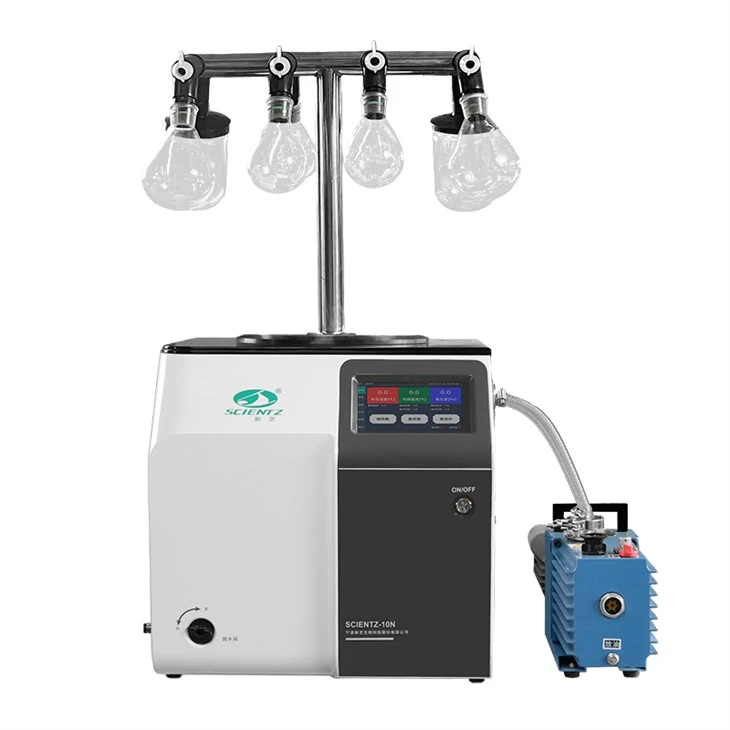

Slow Vacuum Pull - Down
If it's taking a long time for the vacuum to reach the desired level, it could be due to a few things. First, make sure that all the valves on the dryer are properly closed. An open valve can let air into the system and slow down the vacuum pull - down. Check each valve carefully and ensure they are in the correct position.
The vacuum pump itself could also be the culprit. If the pump is old or hasn't been maintained properly, it may not be working at full capacity. Check the oil level in the pump (if it's an oil - sealed pump) and make sure it's at the correct level. If the oil is dirty or contaminated, you'll need to change it. You can also have the pump serviced by a professional to ensure it's in good working condition.
2. Temperature Problems
Temperature control is crucial in freeze - drying, and issues with temperature can lead to poor results.
Incorrect Chamber Temperature
If the temperature in the chamber is not reaching the set point or is fluctuating too much, it could be due to a faulty temperature sensor. The temperature sensor is responsible for measuring the temperature in the chamber and sending that information to the control system. If the sensor is not working correctly, the control system won't be able to adjust the temperature properly. You can test the sensor using a multimeter to check its resistance. If the resistance is outside the normal range, the sensor will need to be replaced.
Another possible cause is a problem with the heating or cooling system. The heating elements or the refrigeration system may not be functioning properly. Check the power supply to the heating elements and make sure they are getting the correct voltage. If the heating elements are not working, you'll need to replace them. For the refrigeration system, check the refrigerant level and look for any signs of leaks. If you suspect a problem with the refrigeration system, it's best to call in a professional technician.
Uneven Temperature Distribution
Uneven temperature distribution in the chamber can result in inconsistent freeze - drying. This can be caused by improper loading of the samples. Make sure you're not overloading the chamber and that the samples are evenly spaced. If the samples are too close together, they can block the flow of cold air and cause temperature variations.
The design of the chamber itself can also contribute to uneven temperature distribution. Some chambers may have areas where the airflow is restricted. You can try rearranging the samples or using a fan to improve the airflow in the chamber.
3. Stoppering Issues
The stoppering mechanism is an important part of the Stoppering Bell - Type Freeze Dryer, and problems with it can lead to issues with sample containment.
Incomplete Stoppering
If the stoppers are not being fully inserted into the vials, it could be due to a misaligned stoppering mechanism. Check the alignment of the stopper rack and the vials. Make sure the vials are properly seated in the rack and that the rack is in the correct position. You may need to adjust the position of the rack or the guide rails to ensure proper alignment.
The stopper itself could also be the problem. If the stoppers are not the correct size or shape for the vials, they may not fit properly. Make sure you're using the recommended stoppers for your vials.
Stopper Jams
Stopper jams can occur when the stoppers get stuck in the feeding mechanism. This can be caused by debris or misaligned parts. Check the stopper feeder for any signs of blockage. You may need to clean the feeder and remove any debris. Also, make sure that the stoppers are being fed into the mechanism correctly and that there are no misaligned parts.
4. Condenser Problems
The condenser plays a crucial role in the freeze - drying process by collecting the water vapor from the samples.
Frost Build - Up on the Condenser
Excessive frost build - up on the condenser can reduce its efficiency. This can be due to a high moisture load in the chamber. Make sure you're not overloading the chamber with wet samples. You may also need to adjust the drying cycle to allow for more time for the moisture to be removed.
Another cause of frost build - up could be a problem with the defrost cycle. If the defrost cycle is not working properly, the frost won't be removed from the condenser. Check the defrost settings on the dryer and make sure they are correct. If the defrost cycle still doesn't work, there could be a problem with the defrost heater or the control system.
Condenser Not Reaching the Desired Temperature
If the condenser is not getting cold enough, it may not be able to collect the water vapor effectively. This could be due to a problem with the refrigeration system. Check the refrigerant level and look for any signs of leaks. The condenser coils may also be dirty or blocked, which can reduce their ability to transfer heat. Clean the condenser coils regularly to ensure proper operation.
Conclusion
Troubleshooting common problems in a Stoppering Bell - Type Freeze Dryer can seem daunting at first, but by following these steps, you should be able to identify and fix most issues. Remember to always follow the manufacturer's instructions and safety guidelines when working on your dryer.
If you're in the market for a new Stoppering Bell - Type Freeze Dryer, we offer a range of high - quality options. Check out our Laboratory Freeze Dryer, Lab - scale Freeze Dryer, and Standard Multi - Manifold Bell - Type Freeze Dryer. If you have any questions or are interested in purchasing a freeze dryer, don't hesitate to reach out to us for a consultation. We're here to help you find the best solution for your freeze - drying needs.
References
- Manufacturer's manual for Stoppering Bell - Type Freeze Dryers
- Industry best practices for freeze - dryer maintenance and troubleshooting