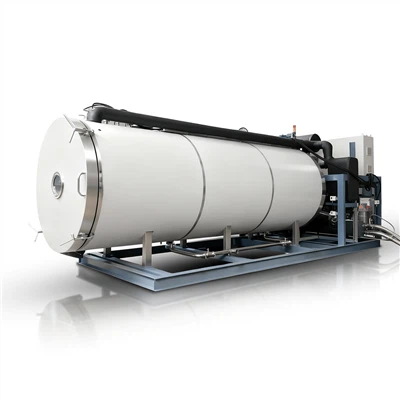
Hey there! As a supplier of Small Scale Freeze Dryers, I often get asked about how to select the appropriate refrigerant for these machines. It's a crucial decision that can impact the performance, efficiency, and environmental footprint of your freeze dryer. So, let's dive right in and explore this topic in detail.
Why Refrigerant Selection Matters
First off, why does choosing the right refrigerant matter? Well, the refrigerant is the lifeblood of your freeze dryer. It's responsible for absorbing heat from the product being dried and releasing it outside the system. A good refrigerant will ensure that your freeze dryer operates at peak efficiency, providing consistent and high - quality results.
On top of that, environmental concerns are becoming increasingly important. Some refrigerants have a high global warming potential (GWP) and ozone depletion potential (ODP), which can harm the environment. So, picking an eco - friendly refrigerant is not only good for the planet but can also help you meet regulatory requirements.
Factors to Consider When Selecting a Refrigerant
Temperature Requirements
The first thing you need to think about is the temperature requirements of your freeze - drying process. Different refrigerants have different boiling points, which determine the lowest temperature they can reach. For small scale freeze dryers, you typically need a refrigerant that can achieve very low temperatures, often below - 40°C or even - 80°C.
For example, if you're freeze - drying heat - sensitive materials like pharmaceuticals or biological samples, you'll need a refrigerant that can maintain a stable and extremely low temperature throughout the process. Some common refrigerants used for low - temperature applications include R - 23 and R - 14.
Energy Efficiency
Energy efficiency is another major factor. A more energy - efficient refrigerant means lower operating costs over the long run. Refrigerants with a high coefficient of performance (COP) are more efficient because they can transfer more heat for the same amount of energy input.
Newer refrigerants like R - 454C and R - 455A have been developed to offer better energy efficiency compared to older options. These refrigerants can help you save on electricity bills while still providing excellent cooling performance.
Environmental Impact
As I mentioned earlier, environmental impact is a big deal. You want to choose a refrigerant with a low GWP and ODP. The Montreal Protocol and the Kigali Amendment are international agreements that aim to phase out the use of high - GWP and ODP refrigerants.

Hydrofluoroolefins (HFOs) are a new class of refrigerants that have a much lower GWP compared to hydrofluorocarbons (HFCs). For instance, R - 1234yf is an HFO refrigerant with a GWP of less than 1, making it a great choice for environmentally conscious users.
Compatibility with the System
The refrigerant you choose must be compatible with the components of your freeze dryer. This includes the compressor, condenser, evaporator, and other parts of the refrigeration system. Some refrigerants can react with certain materials, causing corrosion or other damage.
Before selecting a refrigerant, make sure to check the manufacturer's specifications for your Small Scale Freeze Dryer. They will usually provide a list of approved refrigerants that are safe to use with the machine.
Cost
Cost is always a consideration. The price of refrigerants can vary widely depending on factors like availability, production costs, and regulatory requirements. While it might be tempting to go for the cheapest option, remember that you get what you pay for.
Cheaper refrigerants may have lower performance or higher environmental impacts, which could end up costing you more in the long run. On the other hand, some high - performance and eco - friendly refrigerants may have a higher upfront cost but can save you money on energy and maintenance over time.
Common Refrigerants for Small Scale Freeze Dryers
R - 23
R - 23 is a single - component refrigerant that can reach very low temperatures. It has a boiling point of - 82.1°C, making it suitable for applications that require deep freezing. However, it has a relatively high GWP, so it's not the most environmentally friendly option.
R - 404A
R - 404A is a blend of HFCs that has been widely used in refrigeration systems for many years. It offers good cooling performance and is relatively easy to find. But, it also has a high GWP, and its use is being phased out in many countries due to environmental concerns.
R - 454C
R - 454C is a newer refrigerant that has a much lower GWP compared to R - 404A. It provides similar cooling performance and is becoming a popular choice for small scale freeze dryers. It's a good balance between performance and environmental friendliness.
R - 455A
R - 455A is another eco - friendly option. It has a very low GWP and offers good energy efficiency. This refrigerant is designed as a replacement for R - 404A and can be used in many existing systems with minimal modifications.
Making the Final Decision
Once you've considered all the factors, it's time to make a decision. Start by listing your priorities. If environmental impact is your top concern, then an HFO - based refrigerant like R - 454C or R - 455A might be the best choice. If you need extremely low temperatures for your process, R - 23 could be a consideration, but you'll need to weigh the environmental impact.
It's also a good idea to consult with a refrigeration expert or the manufacturer of your Small Scale Freeze Dryer. They can provide more detailed information and help you select the refrigerant that's best suited for your specific needs.
Our Small Scale Freeze Dryers and Refrigerant Compatibility
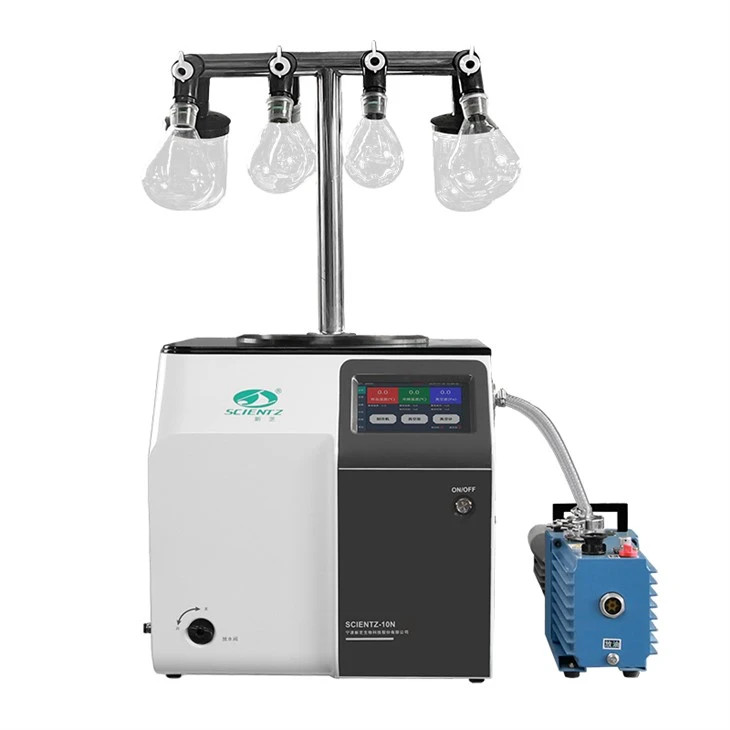
At our company, we offer a range of Small Scale Freeze Dryers that are designed to be compatible with various refrigerants. Our Stoppering Multi - Manifold Bell - Type Freeze Dryer and Standard Multi - Manifold Bell - Type Freeze Dryer are built with high - quality components that can work efficiently with different refrigerants.
We can provide guidance on which refrigerant is the best fit for your particular freeze - drying application. Whether you're in the food industry, pharmaceuticals, or research, we have the expertise to help you make the right choice.
Conclusion
Selecting the appropriate refrigerant for a small scale freeze dryer is a complex but important decision. By considering factors like temperature requirements, energy efficiency, environmental impact, compatibility, and cost, you can choose a refrigerant that meets your needs and helps your freeze dryer perform at its best.
If you're in the market for a Small Scale Freeze Dryer or need more information about refrigerant selection, don't hesitate to get in touch. We're here to assist you with all your freeze - drying needs and help you make the most informed decisions for your business.
References
- ASHRAE Handbook - Refrigeration. American Society of Heating, Refrigerating and Air - Conditioning Engineers.
- "Refrigerant Selection and Application in Low - Temperature Refrigeration Systems." International Journal of Refrigeration.
- Montreal Protocol on Substances that Deplete the Ozone Layer. United Nations Environment Programme.
- Kigali Amendment to the Montreal Protocol. United Nations Environment Programme.