How does the refractive index of silicone oil affect the freeze - drying process?
As a supplier of Silicone Oil Heated Freeze Drying equipment, I've delved deeply into the intricate relationship between the refractive index of silicone oil and the freeze - drying process. In this blog, I'll share my insights on how this property can have a significant impact on the efficiency and quality of freeze - drying.
Understanding the Basics of Freeze - Drying and Silicone Oil
Freeze - drying, also known as lyophilization, is a process that involves freezing a product and then removing the ice by sublimation under vacuum conditions. This method is widely used in various industries, such as pharmaceuticals, food, and biotechnology, to preserve the structure and activity of sensitive materials.
Silicone oil is often used in freeze - drying systems as a heat transfer medium. It offers several advantages, including high thermal stability, low volatility, and good chemical inertness. The refractive index of silicone oil is a measure of how much light is bent when it passes through the oil. It is an important physical property that can provide insights into the composition and purity of the silicone oil.
Impact on Heat Transfer
The refractive index of silicone oil can influence the heat transfer process during freeze - drying. A higher refractive index generally indicates a higher density and molecular weight of the silicone oil. This can affect the viscosity of the oil, which in turn impacts its ability to transfer heat efficiently.
In a freeze - drying system, the silicone oil is circulated through a heating jacket around the drying chamber. The heat from the oil is transferred to the frozen product, causing the ice to sublime. If the refractive index is too high, the oil may become too viscous, reducing its flow rate and hindering the heat transfer process. This can lead to uneven heating of the product, resulting in longer drying times and potentially lower product quality.
On the other hand, if the refractive index is too low, the silicone oil may have a lower thermal conductivity. This means that it will take longer for the heat to be transferred from the oil to the product, also increasing the drying time. Therefore, it is crucial to select a silicone oil with an appropriate refractive index to ensure optimal heat transfer and efficient freeze - drying.
Influence on Product Purity and Quality
The refractive index of silicone oil can also be an indicator of its purity. Impurities in the silicone oil can cause changes in the refractive index. During the freeze - drying process, any impurities in the silicone oil can potentially contaminate the product.
For example, if the silicone oil contains volatile organic compounds or other contaminants, these substances may be released into the drying chamber during the heating process. This can lead to the presence of unwanted residues in the final product, which is unacceptable in industries such as pharmaceuticals and food.


By monitoring the refractive index of the silicone oil, we can detect any changes that may indicate the presence of impurities. Regular checks of the refractive index can help ensure that the silicone oil remains pure and suitable for use in the freeze - drying process, thereby maintaining the high quality of the final product.
Compatibility with Freeze - Drying Equipment
The refractive index of silicone oil can also affect its compatibility with the freeze - drying equipment. Different types of equipment may have specific requirements for the physical properties of the heat transfer medium.
For instance, some freeze - drying systems are designed to work with silicone oils within a certain refractive index range. Using an oil with a refractive index outside this range can cause issues such as seal failures, pump malfunctions, or damage to the heating elements.
It is essential to consult the equipment manufacturer's guidelines when selecting silicone oil for a freeze - drying system. By choosing an oil with the appropriate refractive index, we can ensure the smooth operation of the equipment and avoid costly repairs and downtime.
Our Solutions as a Silicone Oil Heated Freeze Drying Supplier
At our company, we understand the importance of the refractive index of silicone oil in the freeze - drying process. We offer a range of high - quality silicone oils with carefully controlled refractive indices to meet the specific needs of our customers.
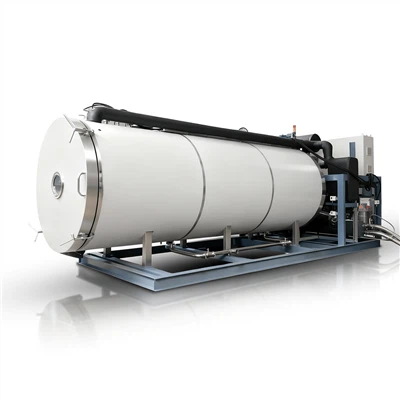
Our Heated Silicone Oil Freeze Dryer is designed to work seamlessly with our silicone oils. The system is equipped with advanced temperature control and monitoring features to ensure precise heat transfer and efficient drying.
We also provide Freeze Dryer with Heated Silicone Oil options that are suitable for different applications and production scales. Our team of experts can assist customers in selecting the right silicone oil and equipment based on their specific requirements.
In addition, our Silicone Oil Vacuum Dryer with Heat offers a reliable and efficient solution for freeze - drying. We conduct rigorous quality control tests on our silicone oils to ensure that they meet the highest standards of purity and performance.
Contact Us for Procurement and Consultation
If you are interested in learning more about how the refractive index of silicone oil affects the freeze - drying process or if you are looking for high - quality silicone oil heated freeze - drying equipment, we invite you to contact us. Our team is ready to provide you with detailed information and support to help you make the best decisions for your freeze - drying needs. Whether you are a small - scale laboratory or a large - scale industrial manufacturer, we have the solutions to meet your requirements.
References
- Wang, L., & Zhang, Y. (2018). Study on the heat transfer performance of silicone oil in freeze - drying systems. Journal of Thermal Science and Engineering Applications, 10(3), 031003.
- Li, X., & Chen, H. (2019). Influence of silicone oil properties on the quality of freeze - dried products. Food and Bioprocess Technology, 12(10), 1771 - 1780.
- Smith, J. R. (2020). Refractive index measurement and its application in the quality control of silicone oils. Journal of Analytical Chemistry, 75(5), 789 - 796.