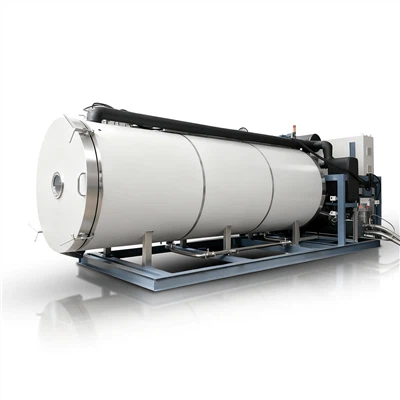
Freeze-drying, also known as lyophilization, is a preservation method that has gained significant popularity in recent years, especially in the food industry. It involves freezing the product and then reducing the surrounding pressure to allow the frozen water in the product to sublimate directly from solid to vapor. This process helps to preserve the nutritional value, flavor, and texture of the food, making it an ideal choice for long-term storage. As a supplier of Food Freeze Dryer, I often receive inquiries about whether nuts can be freeze-dried using our equipment. In this blog post, I will explore the feasibility of freeze-drying nuts and provide some insights into the process.
Why Freeze-Dry Nuts?
Nuts are a rich source of healthy fats, protein, vitamins, and minerals. However, they are also prone to spoilage due to their high fat content, which can oxidize over time, leading to rancidity and a loss of flavor. Freeze-drying nuts can help to extend their shelf life by removing the moisture that promotes microbial growth and oxidation. Additionally, freeze-dried nuts retain their nutritional value, flavor, and crunch, making them a convenient and healthy snack option.


The Freeze-Drying Process for Nuts
The freeze-drying process for nuts typically involves the following steps:
- Pre-treatment: Before freeze-drying, the nuts may need to be cleaned and sorted to remove any debris or damaged nuts. Some nuts may also require blanching to remove the skin or to inactivate enzymes that can cause discoloration or off-flavors.
- Freezing: The cleaned and pre-treated nuts are placed in the freeze dryer and frozen to a very low temperature, typically below -40°C (-40°F). This step is crucial as it ensures that the water in the nuts freezes solid, which is necessary for the sublimation process.
- Primary Drying: Once the nuts are frozen, the pressure inside the freeze dryer is reduced, and heat is applied to the product. The low pressure causes the frozen water in the nuts to sublimate directly from solid to vapor, without passing through the liquid phase. This process can take several hours to several days, depending on the type and quantity of nuts being freeze-dried.
- Secondary Drying: After the primary drying stage, a small amount of residual moisture may still remain in the nuts. To remove this moisture, the temperature and pressure inside the freeze dryer are adjusted to a slightly higher level for a shorter period of time. This step helps to ensure that the nuts are completely dry and have a long shelf life.
- Packaging: Once the freeze-drying process is complete, the nuts are removed from the freeze dryer and immediately packaged in airtight containers to prevent moisture from re-entering the product. The packaging should be designed to protect the nuts from light, oxygen, and moisture, which can all contribute to spoilage.
Types of Food Freeze Dryers for Nuts
There are two main types of food freeze dryers that can be used for freeze-drying nuts: Contact-type Food Freeze Dryer and Radiation-type Food Freeze Dryer.
- Contact-type Food Freeze Dryer: In a contact-type freeze dryer, the product is placed on a heated shelf, and the heat is transferred to the product through direct contact. This type of freeze dryer is suitable for small to medium-scale production and is often used for freeze-drying high-value products, such as nuts.
- Radiation-type Food Freeze Dryer: In a radiation-type freeze dryer, the product is exposed to infrared radiation, which heats the product directly. This type of freeze dryer is more efficient than a contact-type freeze dryer and is suitable for large-scale production.
Factors Affecting the Freeze-Drying of Nuts
Several factors can affect the freeze-drying process for nuts, including:
- Nut Type: Different types of nuts have different moisture contents, densities, and compositions, which can affect the freeze-drying process. For example, nuts with a high oil content, such as walnuts and pecans, may require a longer drying time than nuts with a lower oil content, such as almonds and hazelnuts.
- Initial Moisture Content: The initial moisture content of the nuts can also affect the freeze-drying process. Nuts with a higher moisture content will take longer to freeze-dry than nuts with a lower moisture content. Therefore, it is important to ensure that the nuts are properly pre-treated to reduce their moisture content before freeze-drying.
- Freezing Rate: The freezing rate can also affect the quality of the freeze-dried nuts. A slow freezing rate can result in the formation of large ice crystals, which can damage the cell structure of the nuts and affect their texture and flavor. Therefore, it is important to freeze the nuts quickly to a very low temperature to minimize the formation of ice crystals.
- Drying Conditions: The drying conditions, such as temperature, pressure, and time, can also affect the quality of the freeze-dried nuts. The optimal drying conditions will depend on the type and quantity of nuts being freeze-dried, as well as the type of freeze dryer being used.
Benefits of Using Our Food Freeze Dryers for Nuts
As a supplier of high-quality Food Freeze Dryer, we offer several benefits for freeze-drying nuts:
- Advanced Technology: Our freeze dryers are equipped with advanced technology that ensures precise control of the freezing and drying process, resulting in high-quality freeze-dried nuts.
- Energy Efficiency: Our freeze dryers are designed to be energy-efficient, which helps to reduce operating costs and environmental impact.
- Customization: We offer a range of customizable options to meet the specific needs of our customers, including different sizes, capacities, and configurations.
- Technical Support: Our team of experienced technicians provides comprehensive technical support and training to ensure that our customers can operate our freeze dryers effectively and efficiently.
Conclusion
In conclusion, freeze-drying nuts is a viable and effective method for extending their shelf life and preserving their nutritional value, flavor, and crunch. As a supplier of high-quality Food Freeze Dryer, we are committed to providing our customers with the best possible solutions for freeze-drying nuts. If you are interested in learning more about our freeze dryers or would like to discuss your specific needs, please contact us to schedule a consultation. We look forward to working with you to help you achieve your freeze-drying goals.
References
- Fennema, O. R. (1996). Food Chemistry (3rd ed.). Marcel Dekker.
- King, C. J. (1971). Freeze Drying. In A. L. Humphrey & G. E. Briggs (Eds.), Advances in Biochemical Engineering (Vol. 1, pp. 157-214). Springer.
- Reid, D. S. (1998). Freeze Drying of Foods. In P. F. Bruinsma (Ed.), Food Preservation by Drying (pp. 127-158). Technomic Publishing.