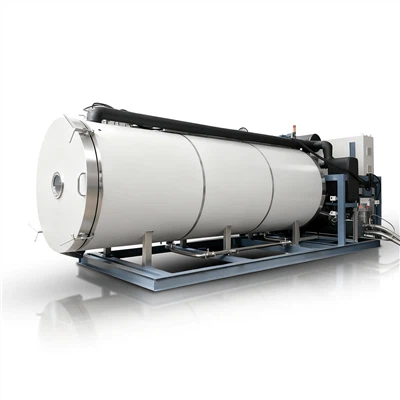
As a supplier of Standard Bell-Type Freeze Dryers, I often receive inquiries about the versatility of our equipment. One question that has come up more frequently is whether a standard bell-type freeze dryer can be used for drying plastics. In this blog post, I will delve into the science behind freeze drying, the properties of plastics, and explore the feasibility of using our freeze dryers for this purpose.
Understanding Freeze Drying
Freeze drying, also known as lyophilization, is a process that involves freezing a substance and then removing the ice by sublimation, which is the transition of a substance from a solid to a gas without passing through the liquid phase. This process is widely used in various industries, including food, pharmaceuticals, and biotechnology, to preserve the quality and integrity of sensitive materials.
The basic components of a standard bell-type freeze dryer include a freezing chamber, a vacuum pump, a condenser, and a control system. The sample is first placed in the freezing chamber, where it is cooled to a temperature below its freezing point. The vacuum pump then reduces the pressure inside the chamber, causing the ice to sublimate. The water vapor is then captured by the condenser, which is maintained at a very low temperature, and converted back into ice. The control system monitors and regulates the temperature, pressure, and other parameters to ensure a successful freeze-drying process.
Properties of Plastics
Plastics are a diverse group of synthetic materials that are made from polymers, which are large molecules composed of repeating units. They have a wide range of properties, including high strength, flexibility, durability, and chemical resistance. However, plastics also have some unique characteristics that can pose challenges when it comes to drying.
One of the main issues with drying plastics is their low thermal conductivity. This means that heat is transferred slowly through the material, which can result in uneven drying and longer processing times. Additionally, some plastics are sensitive to high temperatures, which can cause them to deform, melt, or degrade. Another challenge is the presence of residual solvents or moisture in the plastic, which can affect its performance and quality.
Feasibility of Using a Standard Bell-Type Freeze Dryer for Drying Plastics
Based on the principles of freeze drying and the properties of plastics, it is possible to use a standard bell-type freeze dryer for drying certain types of plastics. However, there are several factors that need to be considered before attempting this process.
Compatibility of the Plastic with Freeze Drying
Not all plastics are suitable for freeze drying. Some plastics, such as polyethylene, polypropylene, and polystyrene, have low water absorption rates and can tolerate the low temperatures and vacuum conditions of freeze drying. These plastics are often used in applications where moisture control is important, such as packaging and electronics.
On the other hand, some plastics, such as polyvinyl chloride (PVC) and polyurethane, have high water absorption rates and are more sensitive to temperature and pressure changes. These plastics may require special handling and processing conditions to prevent damage during freeze drying.
Size and Shape of the Plastic Sample
The size and shape of the plastic sample can also affect the efficiency and effectiveness of the freeze-drying process. Smaller samples with a high surface area to volume ratio will dry more quickly and evenly than larger samples. Additionally, the shape of the sample can affect the distribution of heat and mass transfer during freeze drying. For example, samples with a complex shape or a thick cross-section may require longer processing times or special drying techniques to ensure complete drying.
Presence of Additives or Fillers
Many plastics contain additives or fillers, such as plasticizers, stabilizers, and pigments, to improve their performance and properties. These additives can affect the freeze-drying process in several ways. For example, some additives may have a lower melting point than the plastic itself, which can cause them to melt or migrate during freeze drying. Additionally, some additives may interact with the water vapor or the condenser, which can affect the efficiency of the freeze-drying process.
Processing Conditions
The processing conditions, such as the freezing temperature, the vacuum pressure, and the drying time, need to be carefully optimized to ensure a successful freeze-drying process for plastics. The freezing temperature should be low enough to ensure that the water in the plastic is completely frozen, but not so low that it causes the plastic to become brittle or crack. The vacuum pressure should be low enough to promote sublimation, but not so low that it causes the plastic to deform or collapse. The drying time should be long enough to ensure that all the water in the plastic is removed, but not so long that it causes the plastic to degrade or lose its properties.
Our Standard Bell-Type Freeze Dryers
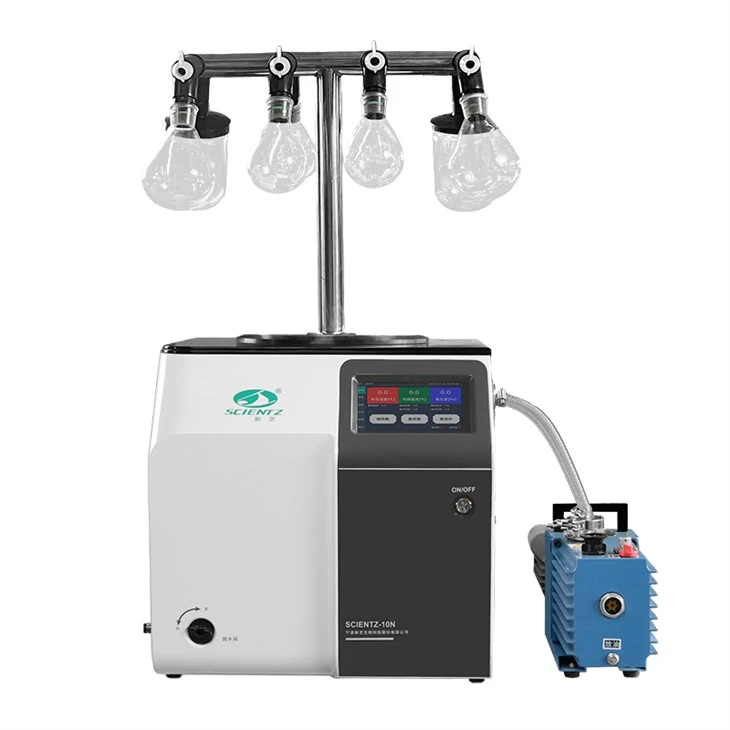
At our company, we offer a range of Standard Multi-Manifold Bell-Type Freeze Dryer that are designed to meet the needs of various industries. Our freeze dryers are equipped with advanced features and technologies, such as precise temperature control, adjustable vacuum levels, and automatic defrosting, to ensure a reliable and efficient freeze-drying process.
We also offer Stoppering Multi-Manifold Bell-Type Freeze Dryer for applications that require the stoppering of vials or ampoules during the freeze-drying process. These freeze dryers are ideal for the pharmaceutical and biotechnology industries, where the preservation of the sterility and integrity of the product is critical.
In addition, we offer Small Scale Freeze Dryer for research and development purposes or for small-scale production. These freeze dryers are compact, easy to use, and offer excellent performance and reliability.
Conclusion
In conclusion, while it is possible to use a standard bell-type freeze dryer for drying certain types of plastics, there are several factors that need to be considered before attempting this process. The compatibility of the plastic with freeze drying, the size and shape of the plastic sample, the presence of additives or fillers, and the processing conditions all play a crucial role in the success of the freeze-drying process.
At our company, we have the expertise and experience to help you determine whether our standard bell-type freeze dryers are suitable for your specific application. We can also provide you with customized solutions and support to ensure a successful freeze-drying process for your plastics.
If you are interested in learning more about our standard bell-type freeze dryers or would like to discuss your specific requirements, please feel free to contact us. We look forward to hearing from you and working with you to meet your freeze-drying needs.

References
- American Society for Testing and Materials (ASTM). (2019). Standard test methods for water absorption of plastics. ASTM D570-98(2018).
- European Pharmacopoeia Commission. (2020). European Pharmacopoeia, 10th Edition. European Directorate for the Quality of Medicines & HealthCare.
- National Institute of Standards and Technology (NIST). (2019). Handbook 44 - Specifications, Tolerances, and Other Technical Requirements for Weighing and Measuring Devices. U.S. Department of Commerce.
- Pikal, M. J., & Shah, S. (2004). Freeze-drying of pharmaceuticals. In Pharmaceutical Dosage Forms: Parenteral Medications (3rd ed., pp. 425-460). Informa Healthcare.
- Wang, W. (2000). Lyophilization and development of solid protein pharmaceuticals. International Journal of Pharmaceutics, 203(1-2), 1-60.