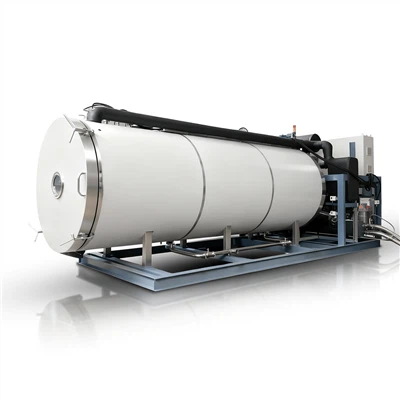
Freeze drying, also known as lyophilization, is a process that removes water from a frozen product by sublimation, where ice changes directly from a solid to a vapor without passing through the liquid phase. A heated freeze dryer enhances this process by applying gentle heat, which can significantly speed up the drying process while maintaining the integrity of the product. As a supplier of Heated Freeze Dryer, I've had the opportunity to witness the diverse range of materials that can benefit from this technology. In this blog post, I'll explore the various types of materials that can be effectively dried using a heated freeze dryer.
Food Products
One of the most common applications of heated freeze dryers is in the food industry. Freeze-drying helps preserve the nutritional value, flavor, and texture of food products while extending their shelf life.
Fruits and Vegetables
Fruits and vegetables are rich in vitamins, minerals, and antioxidants, but they have a high water content, which makes them perishable. By freeze-drying these products, the water is removed, leaving behind a lightweight, shelf-stable product that retains its nutritional value. For example, freeze-dried strawberries can be used in cereals, yogurt, or as a snack on their own. The gentle heat applied during the process helps to speed up the drying time without compromising the quality of the fruits or vegetables.
Herbs and Spices
Herbs and spices are essential for adding flavor to food, but they can lose their potency over time. Freeze-drying helps to preserve the volatile oils and flavor compounds in herbs and spices, ensuring that they retain their aroma and taste for a longer period. Heated freeze dryers can be used to dry a variety of herbs, such as basil, thyme, and oregano, as well as spices like cinnamon and nutmeg. The dried herbs and spices can be ground into a powder or used whole, depending on the application.
Dairy Products
Dairy products, such as milk, cheese, and yogurt, are also suitable for freeze-drying. Freeze-drying helps to remove the water from these products, reducing their weight and volume while extending their shelf life. For example, freeze-dried milk can be reconstituted with water and used in the same way as fresh milk. The gentle heat applied during the process helps to prevent the formation of ice crystals, which can damage the structure of the dairy products.
Pharmaceutical and Biotech Products
The pharmaceutical and biotech industries rely on freeze-drying to preserve the stability and efficacy of drugs, vaccines, and other biological products.
Drugs and Vaccines
Many drugs and vaccines are sensitive to heat, moisture, and oxygen, which can cause them to degrade over time. Freeze-drying helps to remove the water from these products, reducing their susceptibility to degradation and extending their shelf life. The gentle heat applied during the process can help to speed up the drying time without affecting the stability of the drugs or vaccines. For example, freeze-dried vaccines can be stored at room temperature for longer periods, making them more accessible in developing countries.
Biological Samples
Biological samples, such as proteins, enzymes, and antibodies, are often used in research and diagnostic applications. Freeze-drying helps to preserve the structure and function of these samples, allowing them to be stored and transported without degradation. The gentle heat applied during the process can help to remove the water from the samples more efficiently, reducing the risk of damage to the biological molecules.
Chemical and Industrial Products
Heated freeze dryers are also used in the chemical and industrial sectors to dry a variety of products.
Polymers and Resins
Polymers and resins are used in a wide range of applications, including plastics, adhesives, and coatings. Freeze-drying can be used to remove the solvents and water from these products, improving their stability and performance. The gentle heat applied during the process can help to speed up the drying time without causing the polymers or resins to degrade.
Catalysts and Reagents
Catalysts and reagents are essential for many chemical reactions, but they can be sensitive to moisture and oxygen. Freeze-drying helps to remove the water from these products, reducing their susceptibility to degradation and improving their performance. The gentle heat applied during the process can help to remove the water from the catalysts and reagents more efficiently, ensuring that they are ready for use in chemical reactions.
Other Materials
In addition to the above, there are many other materials that can be dried using a heated freeze dryer.
Art and Historical Objects
Freeze-drying can be used to preserve art and historical objects that have been damaged by water or fire. The gentle heat applied during the process can help to remove the water from the objects without causing further damage. For example, freeze-drying can be used to dry water-damaged books, paintings, and textiles.
Cosmetics and Personal Care Products
Cosmetics and personal care products, such as creams, lotions, and powders, often contain water, which can cause them to spoil over time. Freeze-drying can be used to remove the water from these products, extending their shelf life and improving their stability. The gentle heat applied during the process can help to remove the water from the products more efficiently, without affecting their quality.


In conclusion, a heated freeze dryer is a versatile tool that can be used to dry a wide range of materials, including food products, pharmaceutical and biotech products, chemical and industrial products, and many others. The gentle heat applied during the process helps to speed up the drying time while maintaining the integrity of the products. If you're interested in learning more about our Heated Freeze Dryer or other related products, such as the Bell Jar Freeze Dryer with Heater and Bell Jar Freeze Drying Machine, please feel free to contact us for a detailed discussion and potential procurement.
References
- King, C. J. (1978). Freeze drying. In Handbook of separation process technology (pp. 825-853). John Wiley & Sons.
- Pikal, M. J. (1990). Freeze-drying of proteins. In Formulation and delivery of proteins (pp. 167-194). Marcel Dekker.
- Sunderland, P. B. (2003). Freeze drying of foods. In Food dehydration: A comprehensive review (pp. 237-270). CRC Press.