Can an Experimental Freeze Dryer Machine be used for textile research?
Hey there! I'm a supplier of experimental freeze dryer machines, and I've been getting a lot of questions lately about whether our machines can be used in textile research. Well, let's dive right in and explore this topic.
First off, what exactly is freeze drying? Freeze drying, also known as lyophilization, is a process that removes water from a product by freezing it and then reducing the pressure to allow the ice to sublimate directly from a solid to a gas. This process is widely used in various industries, such as food, pharmaceuticals, and biotechnology, to preserve products while maintaining their structure and quality.
So, how does this relate to textile research? Textiles are often exposed to various environmental conditions, including moisture, which can affect their properties and performance. Freeze drying can be a valuable tool in textile research for several reasons.
One of the main applications of freeze drying in textile research is in the study of textile moisture management. Moisture can cause textiles to become heavy, uncomfortable, and prone to mold and mildew growth. By freeze drying textile samples, researchers can accurately measure the amount of moisture present in the fabric and study how different fibers and treatments affect moisture absorption and release. This information can be used to develop textiles with improved moisture management properties, such as moisture-wicking fabrics for athletic wear.


Another area where freeze drying can be useful is in the analysis of textile dyes and pigments. Dyes and pigments are often applied to textiles using water-based solutions. Freeze drying can help researchers study the distribution and stability of these dyes and pigments in the fabric. By freeze drying dyed textile samples, they can prevent the dyes from migrating or bleeding during the drying process, allowing for more accurate analysis of the colorfastness and durability of the dyes.
Freeze drying can also be used in the preservation of textile artifacts. Textile artifacts are often fragile and prone to damage from moisture, pests, and environmental factors. Freeze drying can help preserve these artifacts by removing moisture and preventing the growth of mold and mildew. This can extend the lifespan of the artifacts and allow for their long-term preservation and study.
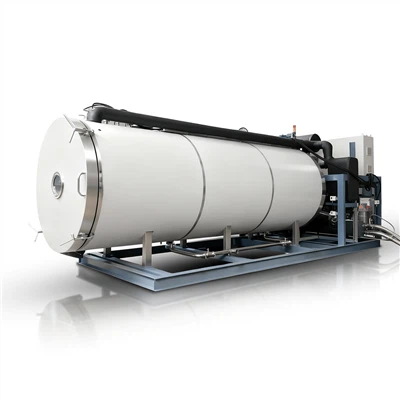
Now, let's talk about the types of freeze dryer machines that are suitable for textile research. As a supplier, we offer a range of experimental freeze dryer machines, including the Stoppering Bell-Type Freeze Dryer, the Standard Bell-Type Freeze Dryer, and the Lab-scale Freeze Dryer.
The Stoppering Bell-Type Freeze Dryer is a versatile machine that is suitable for a wide range of applications, including textile research. It features a stoppering mechanism that allows for the automatic stoppering of vials during the freeze drying process, making it ideal for small-scale production and research.
The Standard Bell-Type Freeze Dryer is a more basic model that is suitable for simple freeze drying applications. It is easy to operate and maintain, making it a popular choice for laboratories and research facilities.
The Lab-scale Freeze Dryer is a compact and affordable machine that is designed for small-scale research and development. It is perfect for textile research laboratories that have limited space and budget.
In addition to these machines, we also offer a range of accessories and options to customize the freeze drying process for textile research. For example, we offer different types of drying chambers, shelves, and condensers to accommodate different textile sample sizes and shapes. We also offer software and control systems that allow for precise control of the freeze drying process, ensuring consistent and reproducible results.
So, if you're involved in textile research and are looking for a reliable and efficient freeze dryer machine, look no further! Our experimental freeze dryer machines are designed to meet the specific needs of textile researchers, and we're confident that we can provide you with the perfect solution for your research.
If you're interested in learning more about our freeze dryer machines or have any questions about using them in textile research, please don't hesitate to contact us. We'd be happy to discuss your requirements and provide you with a customized quote.
In conclusion, an experimental freeze dryer machine can be a valuable tool in textile research. It can be used for a variety of applications, including moisture management, dye analysis, and artifact preservation. With the right machine and accessories, researchers can accurately study the properties and performance of textiles and develop new and improved textile products. So, if you're in the textile research field, consider investing in a freeze dryer machine and take your research to the next level.
References
- "Lyophilization: Principles and Practices" by John A. Jennings
- "Textile Science" by Harold K. Freeman
- "The Handbook of Textile Fibre Structure" edited by David J. Spicer